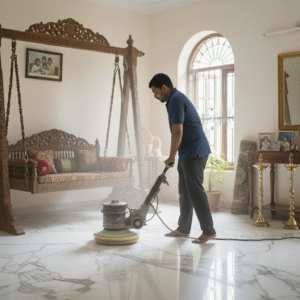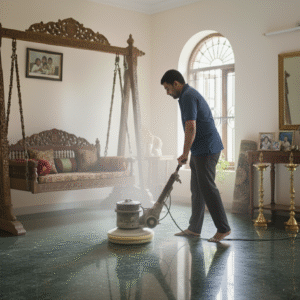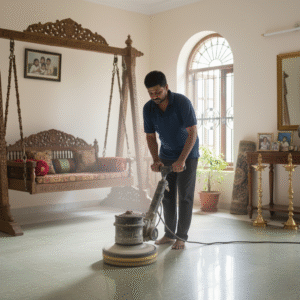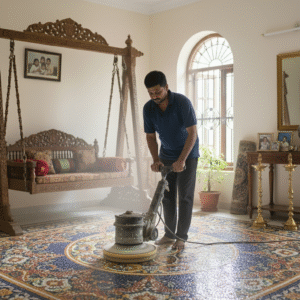
Restoring a Legacy: Why Mosaic Floor Polishing is Essential for Indian Homes and How Utile Delivers the Shine
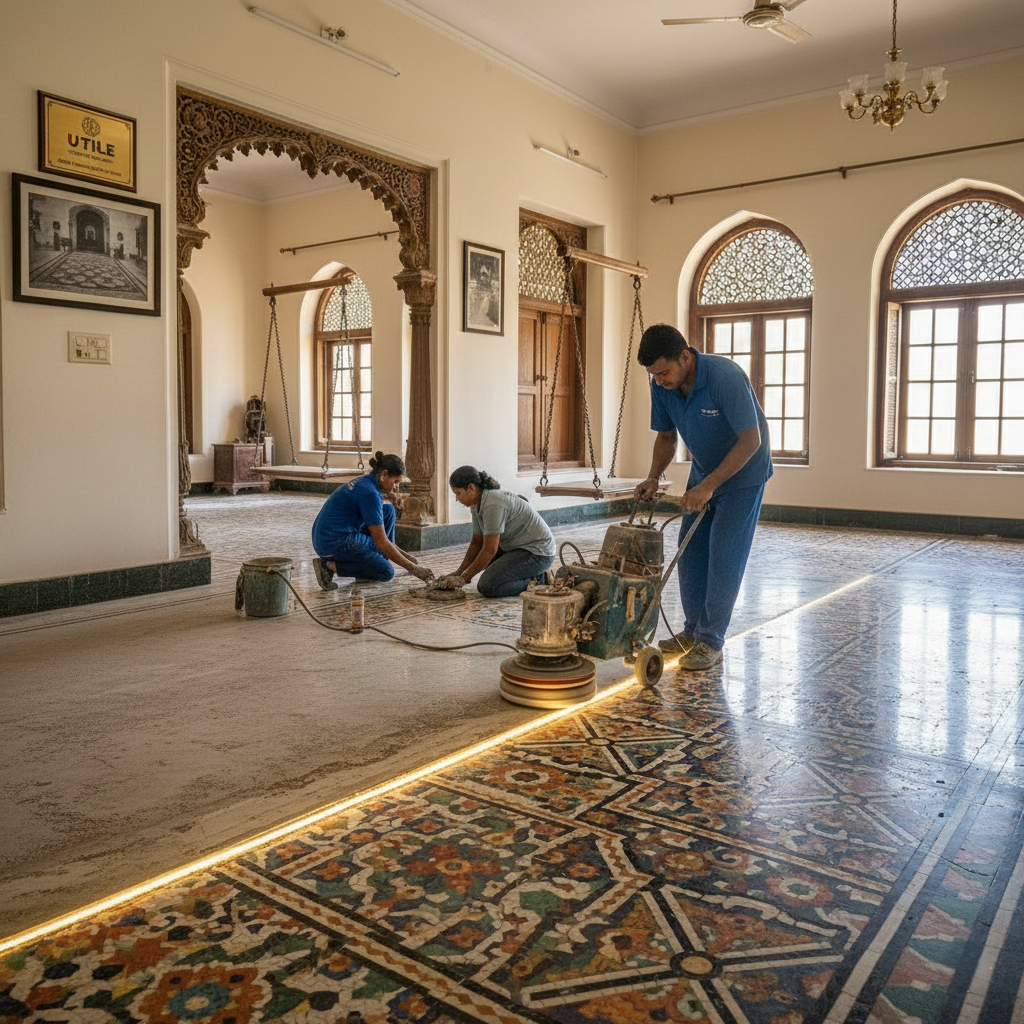
Mosaic tiles – a vibrant tapestry of color, pattern, and history, grace the floors of countless Indian homes. From the colonial-era bungalows of Kolkata to the modern, artistic apartments of Bangalore, these intricate floorings are a testament to enduring craftsmanship. They are a beloved choice, renowned for their incredible durability, strength, and aesthetic versatility, often made from robust materials like marble, stone, or ceramic.
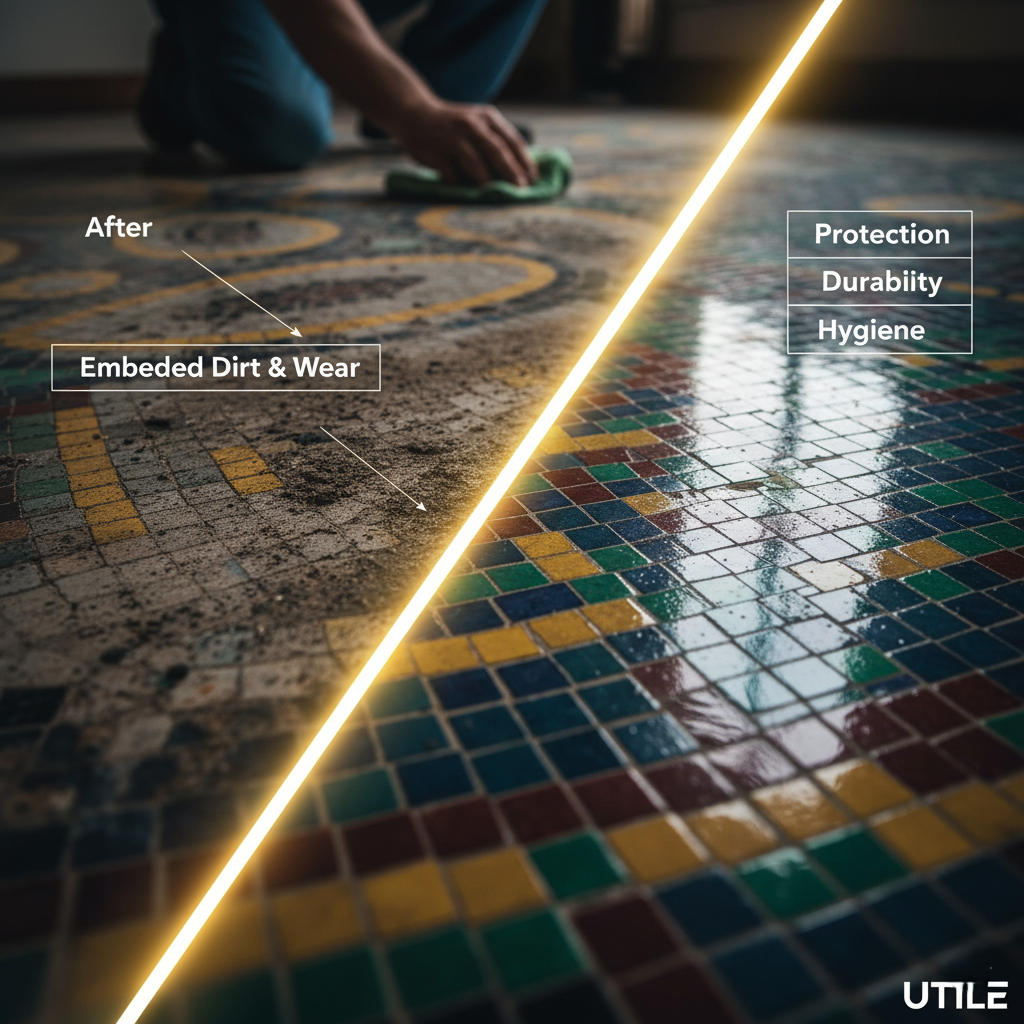
However, even the toughest materials succumb to the relentless pace of life in an Indian household. Over years of heavy foot traffic, constant cleaning, and the inevitable spills of daily life, that magnificent, jewel-like shine can fade into a dull, worn-out pallor.
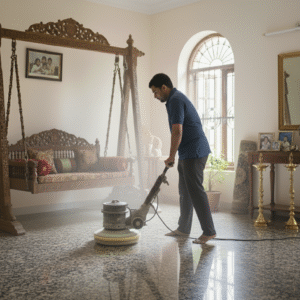
This is where the transformative power of professional floor polishing becomes not just a luxury, but a necessity. It is the only way to genuinely revive the timeless elegance of your mosaic floor.
The Indian Home Challenge: Why Mosaics Lose Their Luster
In an Indian residential setting, mosaic floors face a unique combination of environmental and usage challenges that necessitate professional polishing. Understanding these pressures highlights precisely why regular, dedicated care is essential.
- The Abrasive Grind of Daily Life
The constant in-and-out flow of family members, domestic help, and visitors means the floor endures relentless foot traffic. But the real culprit is the micro-scratching caused by fine dust and dirt.
- The Dust Factor: India’s climate, with its long dry spells and seasonal dust, means even the cleanest homes have minute, abrasive particles carried in on footwear. This dust, when scrubbed or walked on, acts like sandpaper, slowly eroding the microscopic layer of shine and clarity on the tile surface.
- The Heavy-Duty Cleaning Cycle: Traditional Indian cleaning methods often involve vigorous sweeping with hard brooms and wet mopping. Over time, the cumulative action of these routines, especially when using generic, sometimes harsh, cleaning chemicals, strips away the protective polish and leaves the surface looking hazy and lifeless.
- The Battle with Stains and Etching
Mosaic tiles, particularly those with natural stone components like marble, are porous. This means they are vulnerable to common household spills, which can penetrate the surface.
- Acidic Assault: Common acidic spills like vinegar, lemon juice (used in cooking or cleaning), or even some acidic bathroom cleaners can cause etching—a chemical burn that appears as a dull, light spot on the surface, entirely destroying the mosaic’s shine in that area.
- Deep-Set Stains: Spills of haldi (turmeric), oil, tea, or chemical dyes can seep deep into the pores and grout lines. Once these stains are set, no amount of superficial cleaning can remove them, permanently marring the intricate patterns that define the mosaic.
- Grout Degradation and Dirt Accumulation
The beauty of a mosaic lies in its thousands of tiny tiles, separated by grout lines. Over time, the grout, which is naturally porous and recessed, becomes a magnet for dirt.
- Grout Discoloration: The white or light-colored grout often used in older mosaics quickly absorbs grime, turning dark, black, or yellow. This creates a visually jarring grid that makes the entire floor look perpetually dirty, even after mopping.
- Structural Damage: Worn or cracked grout can allow moisture to penetrate beneath the tiles, potentially leading to issues like tile popping (where tiles lift due to moisture expansion) or mold growth, which is a structural and health concern.